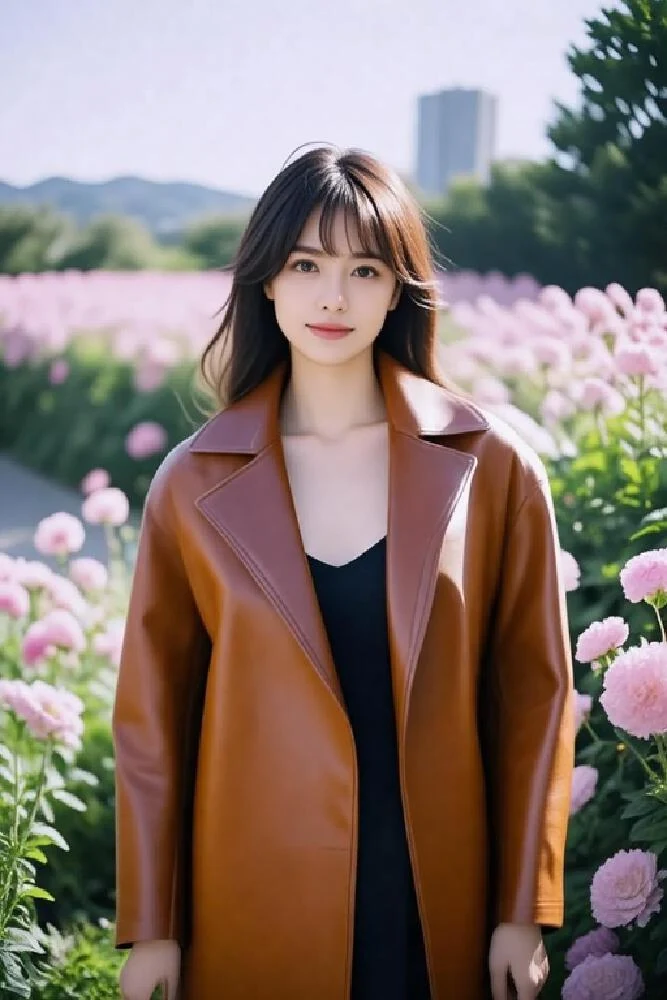
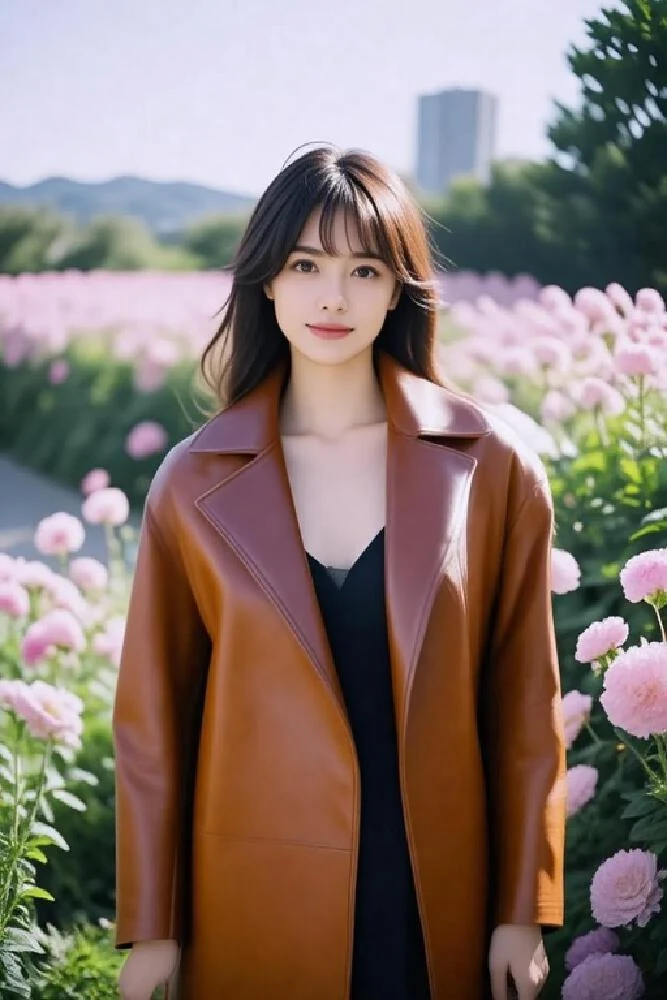
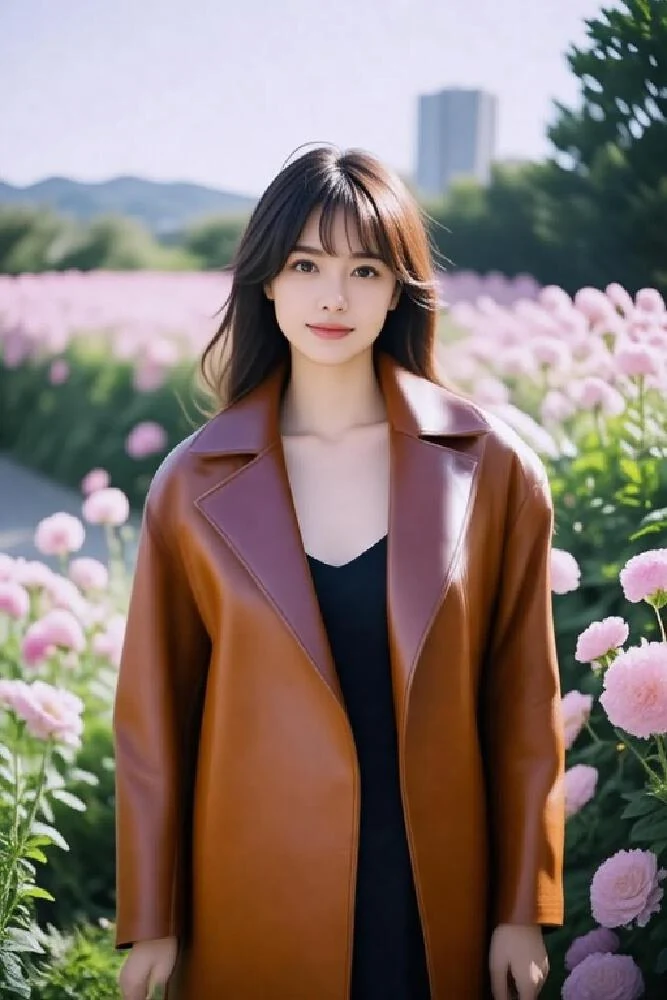
Selected work from my internship with the Human Body Team: exploring personalized pet creation through generation and editing, alongside early-stage work on AIGC inference efficiency.
Computer Vision Engineer Intern · Jun – Sep 2025
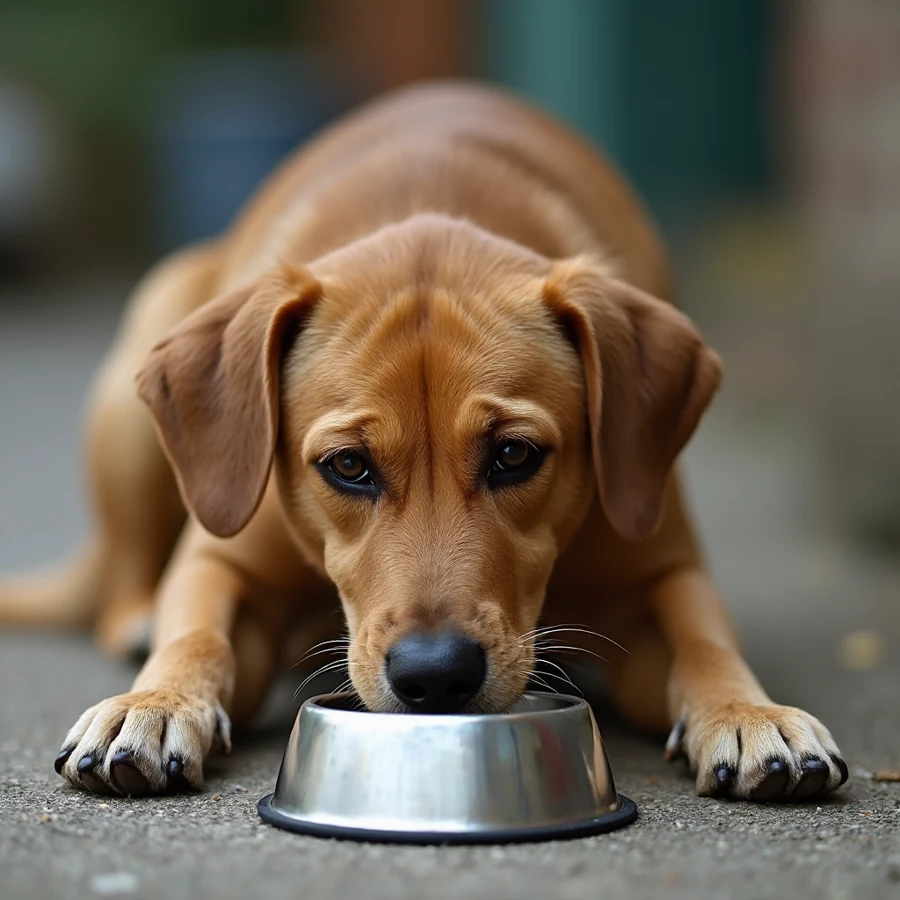
A familiar pet, reimagined as a character.
01
PRODUCT EXPLORATION
Personalized pet creation
Generation and editing are two parts of the same creative workflow: imagine a new character from a pet photo, then explore changes to an existing image. The focus is on recognizable visual traits, expressive styling, and coherent scenes.
The goalBring a pet into imaginative scenes while keeping its visual character recognizable.
My workExplored and evaluated personalized generation and image editing through comparisons across pets, themes, and editing outcomes.
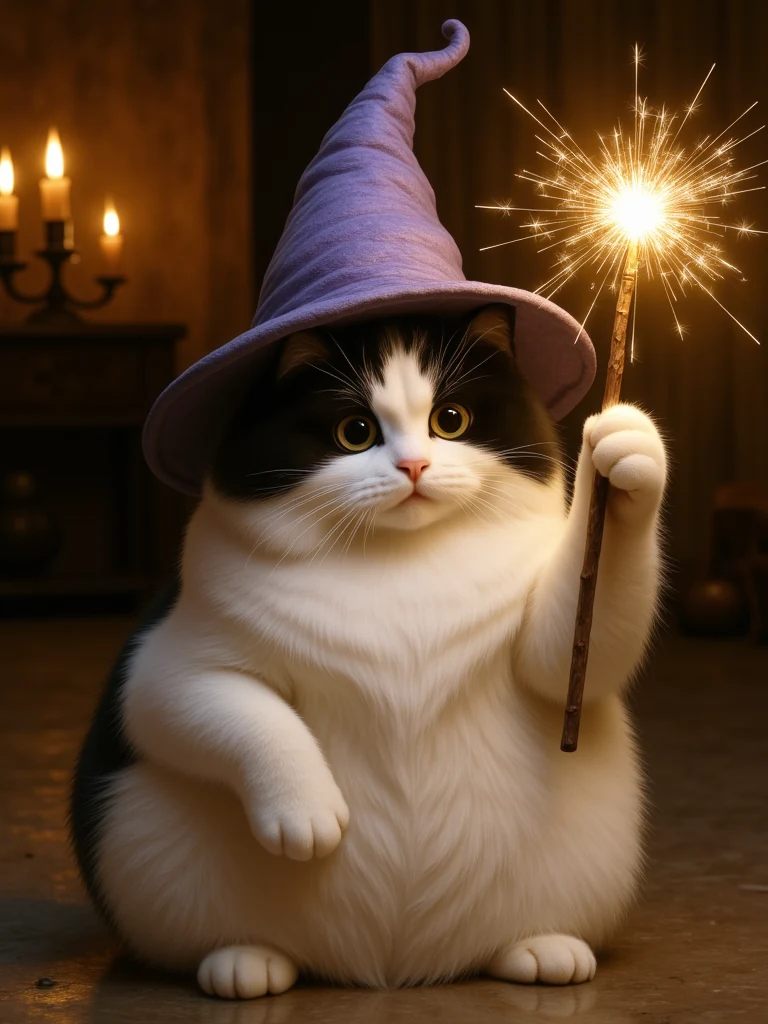
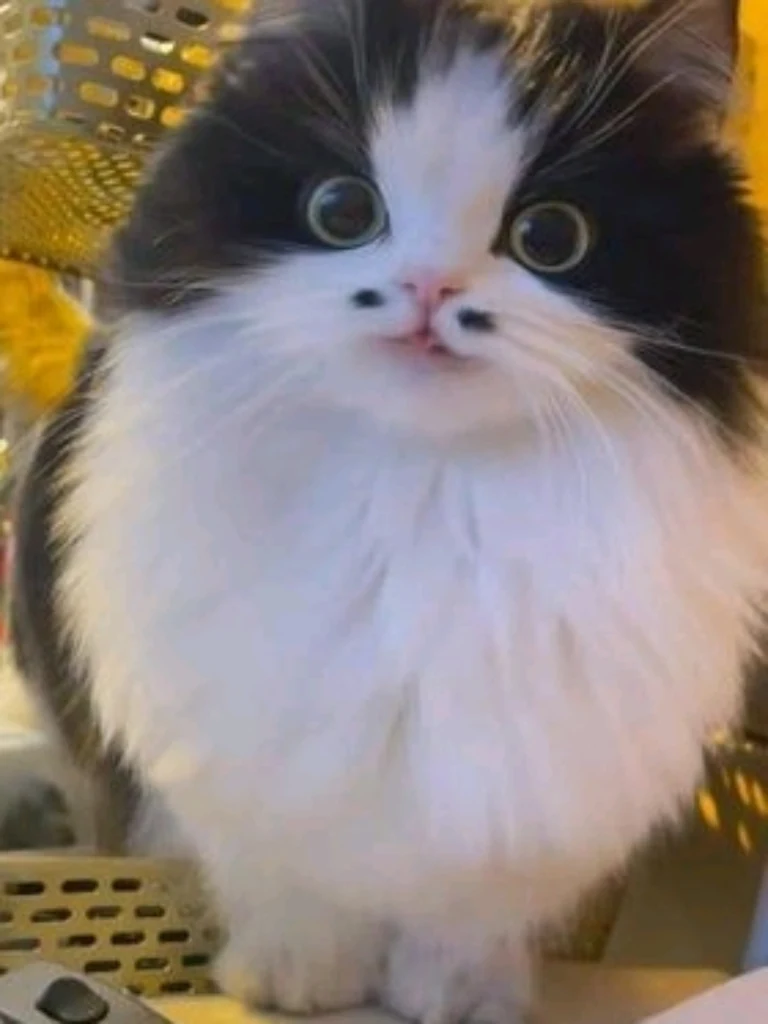
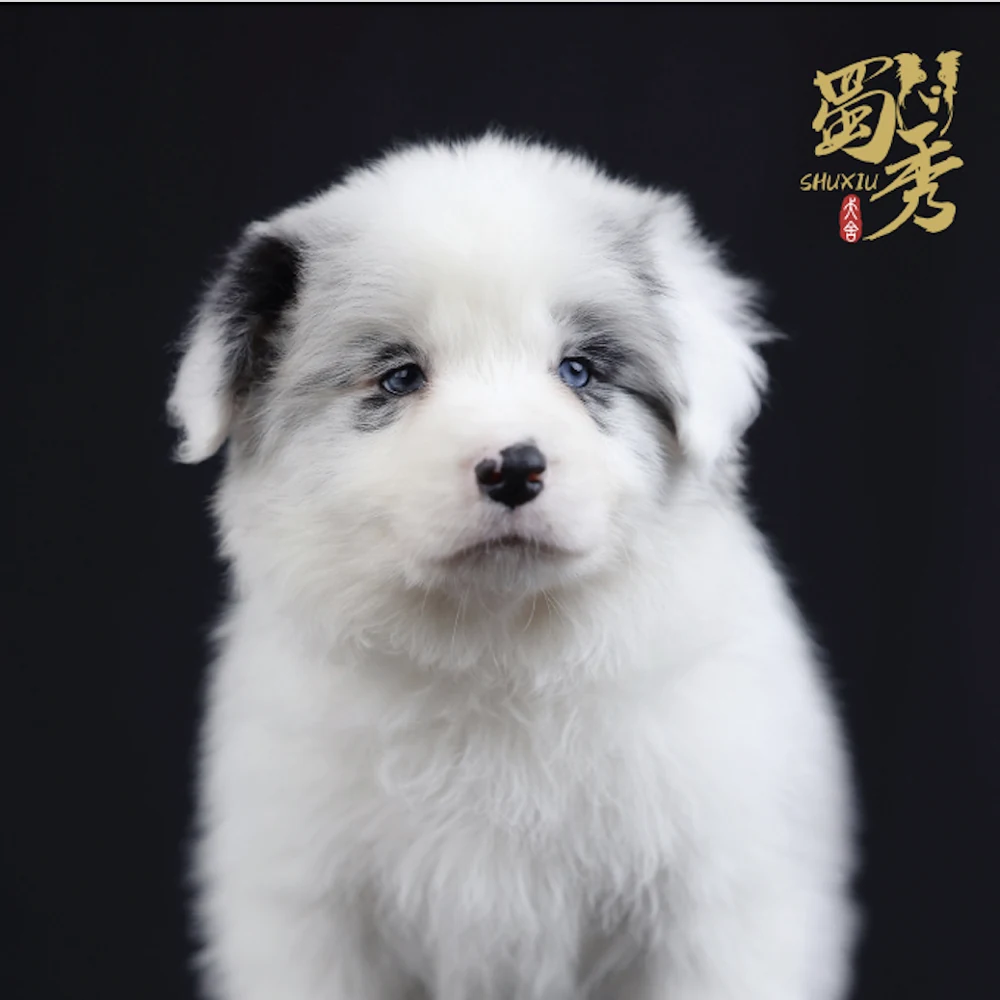
From pet photo to character
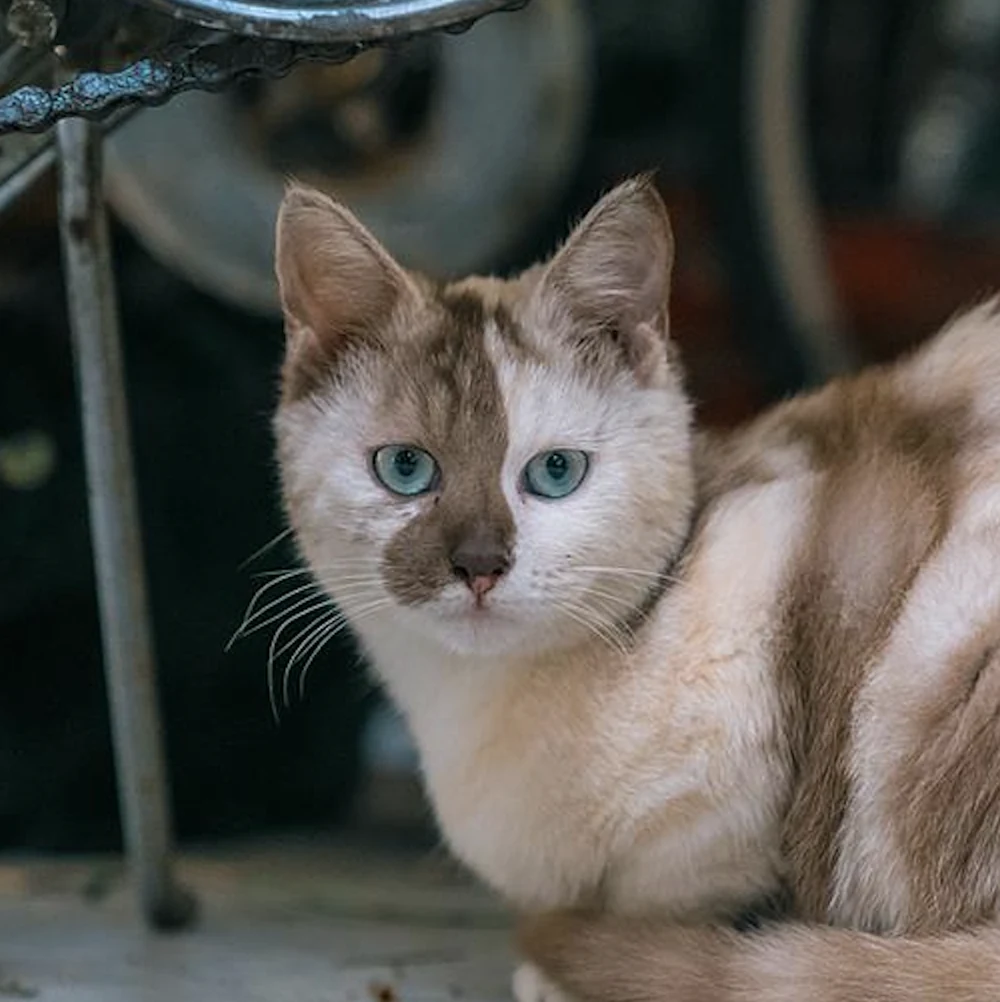
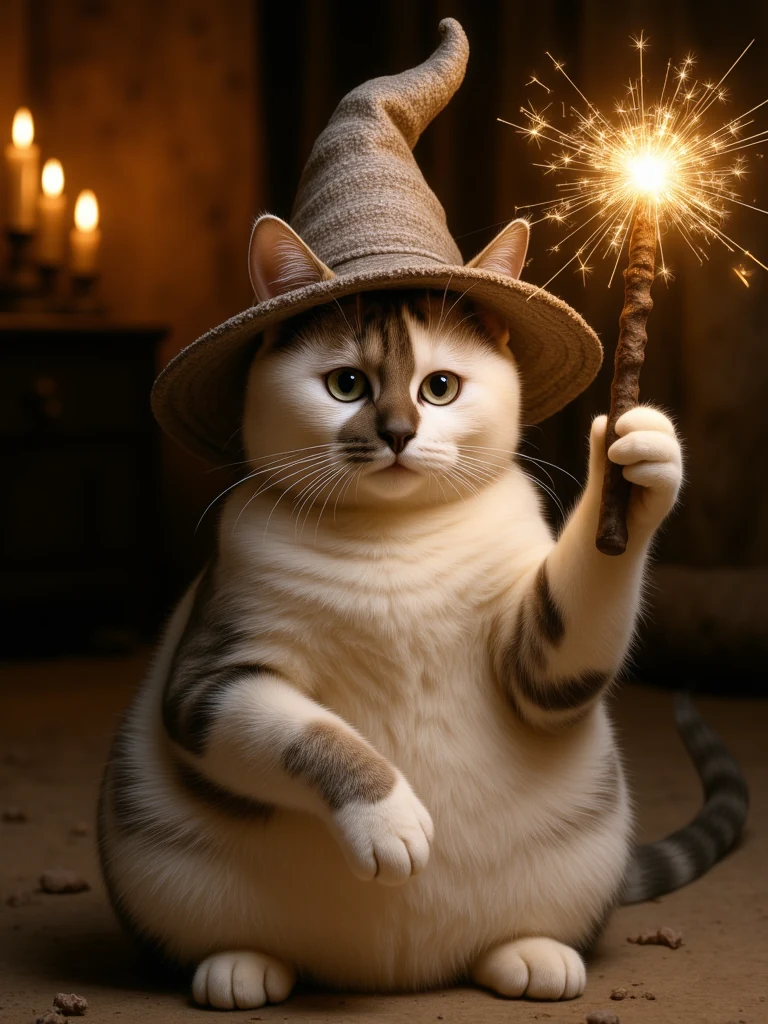
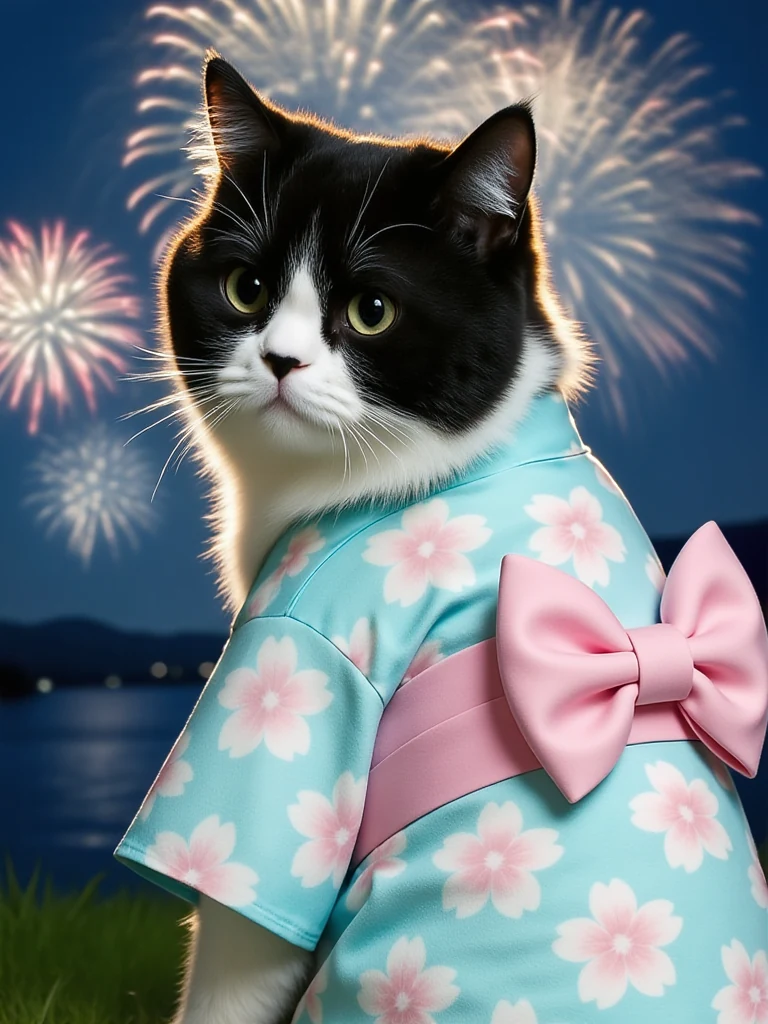
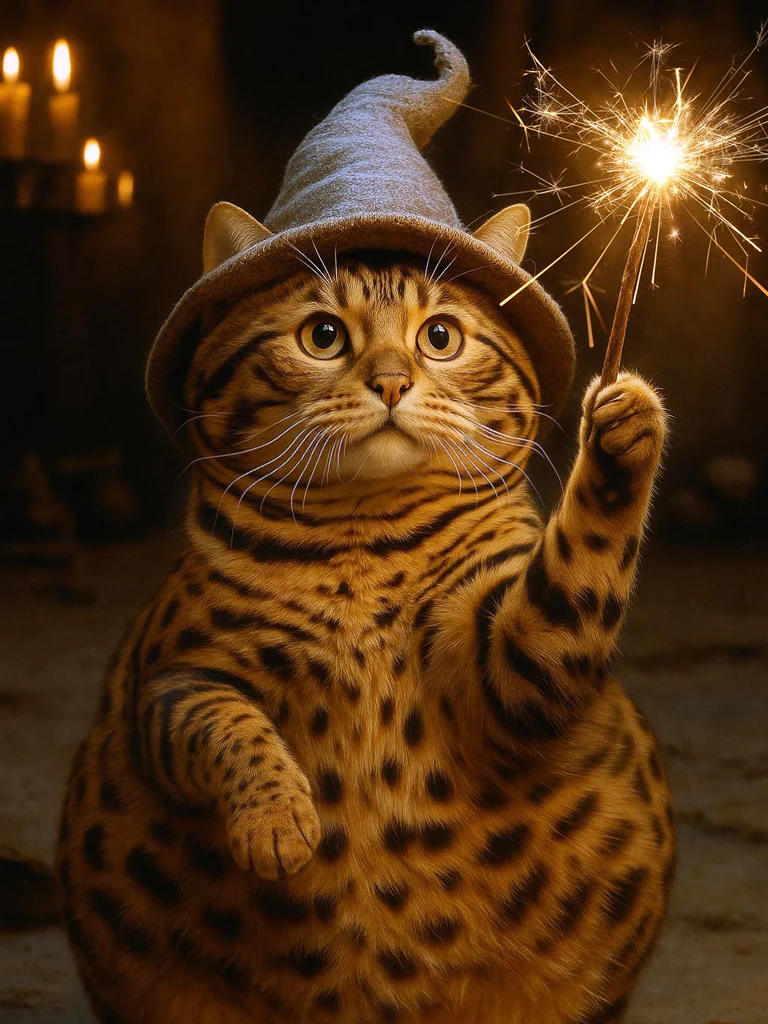
Selected input–output pairs from the generation experiments. Compare coat patterns, facial appearance, and how each pet is interpreted within a shared theme.
ReferenceGenerated
ReferenceGenerated
ReferenceGenerated
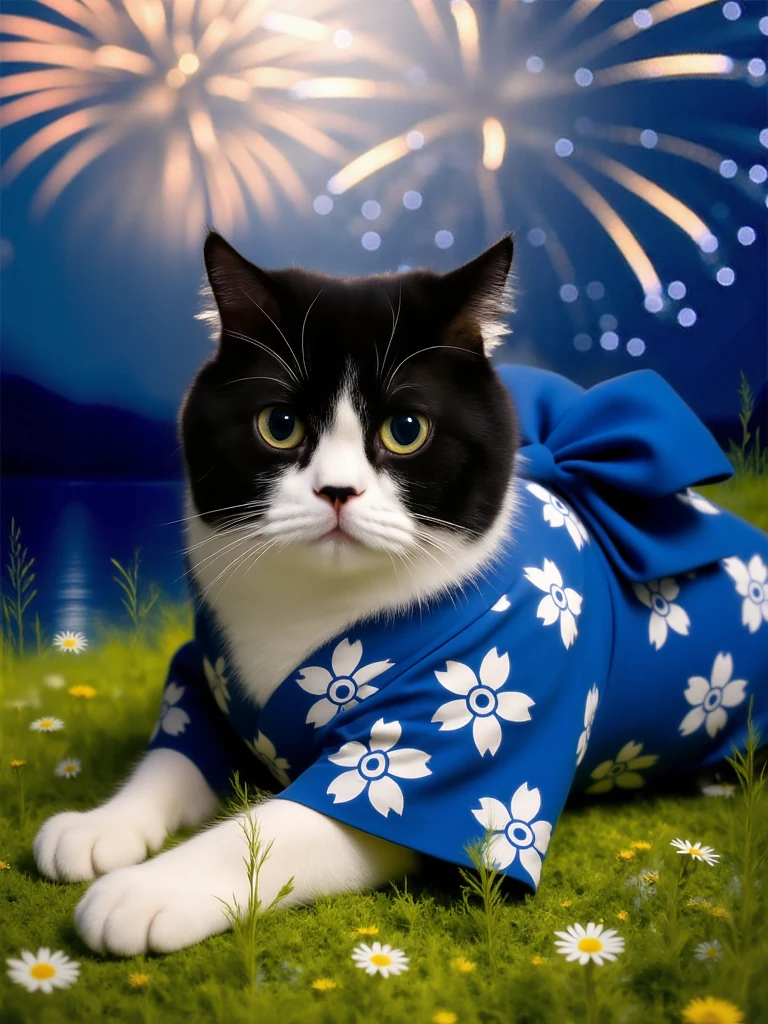
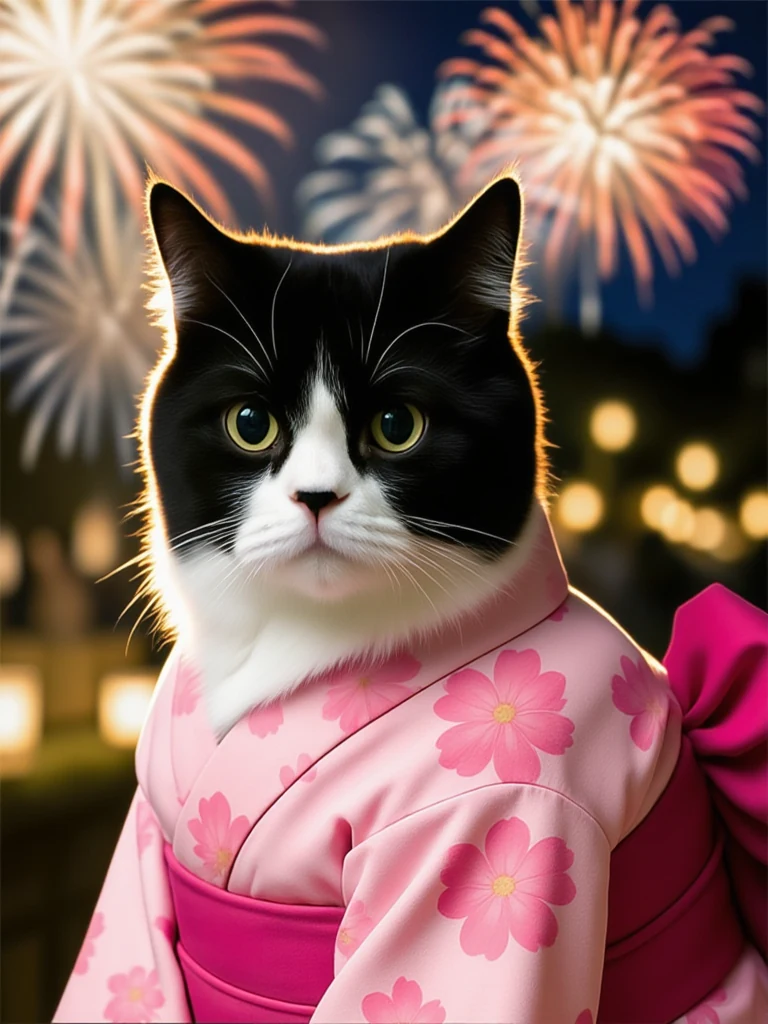
One pet, different looks
The same black-and-white cat is explored in different outfits within a festive setting.
Blue outfitPink outfitAqua outfit
CONTINUING THE SAME CREATIVE WORKFLOW
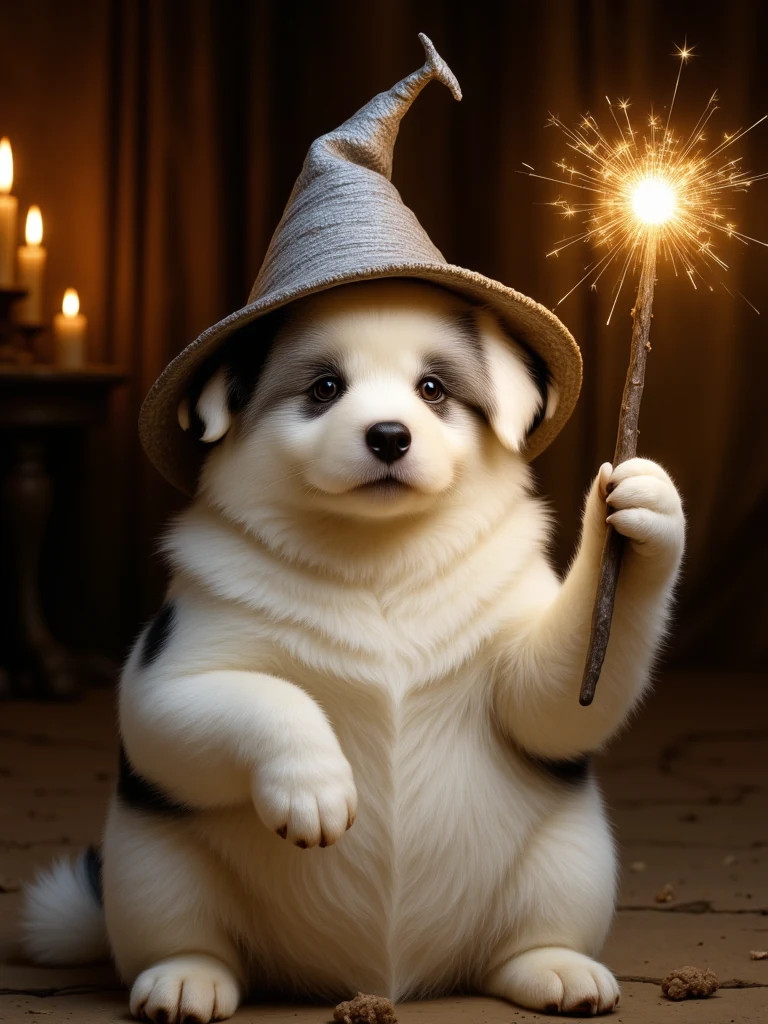
Editing an existing character
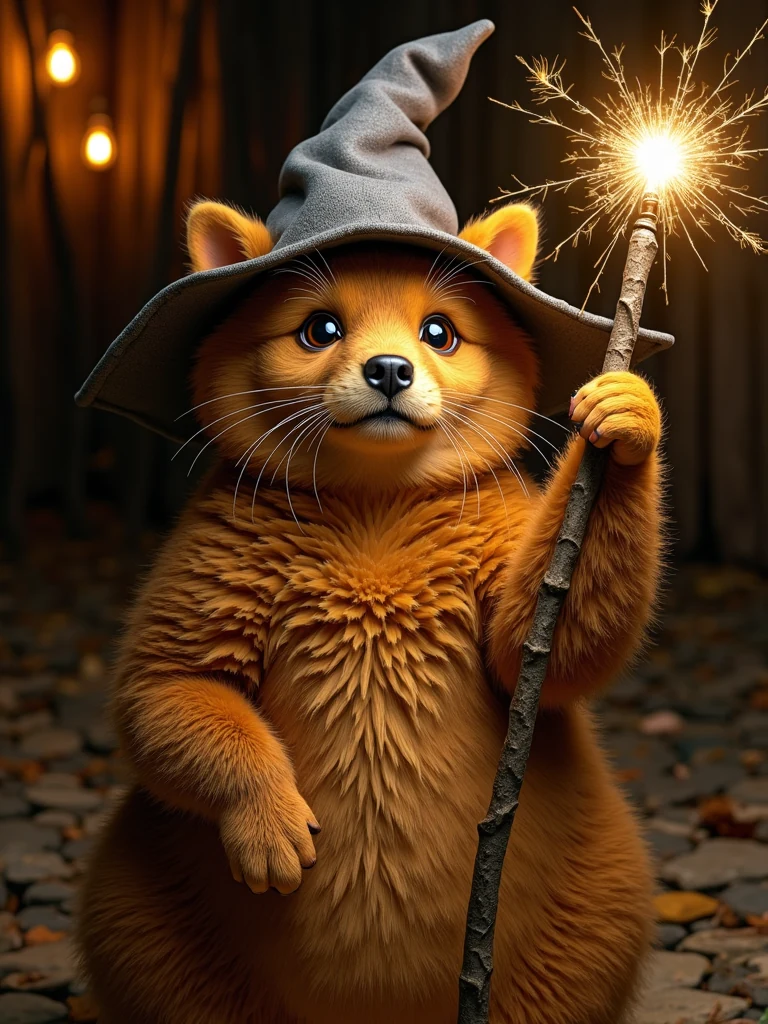
Alongside generation from a reference photo, I explored editing an existing character image. This example targets a change from a feline character toward a canine appearance, while examining continuity in the outfit, prop, and scene.
An editing experiment within the pet-creation workstream.
Before editingEditing result
02
EARLY-STAGE RESEARCH
AIGC efficiency exploration
Explored ways to make image and video generation more efficient, evaluating the trade-off between inference cost and visual quality. The work included comparative experiments and an internal technical presentation.
The goalReduce the cost of generation while monitoring changes in image detail and video appearance.
My workExplored acceleration approaches, compared generated outputs, and organized the findings for internal knowledge sharing.
Results below come from my internship experiment records. Speedups are relative to the baseline within each group; the groups use different experimental settings.
Wan2.1 T2V · Combining acceleration methods
On a single NVIDIA L20, the experiment progressively added SageAttention, FP8 with torch.compile, TeaCache, and SpargeAttention. The recorded DiT-stage time decreased from 1120 s to 328 s, with a reported 3.41× speedup. The columns show cumulative additions; every speedup is relative to the BF16 baseline.
Scroll horizontally to compare all settings →
BF16
1.00×
1120 s · DiT
+ SageAttention
1.25×
893 s · DiT
+ FP8 + torch.compile
1.98×
564 s · DiT
+ TeaCache
3.09×
361 s · DiT
+ SpargeAttention
3.41×
328 s · DiT
Videos play at their original speed; playback duration does not represent inference time.
Timing covers the DiT stage, not end-to-end generation. Times and speedups are reproduced as recorded in the experiment slides.
TeaCache · Cache reuse and visual quality
Explored how different TeaCache thresholds affect speed and visual output. TeaCache estimates changes between diffusion steps to decide when cached outputs can be reused. The examples below compare a photograph-style scene and an illustration at three acceleration levels. Method paper ↗
Scroll horizontally to compare all settings →
Without TeaCache
1.00×
Relative to no cache
TeaCache · setting 1
1.55×
Relative to no cache
TeaCache · setting 2
1.86×
Relative to no cache
TeaCache · setting 3
2.15×
Relative to no cache
PipeFusion · Exploring multi-GPU inference
Compared a single GPU with two-GPU sequence parallelism (SP) and two-GPU PipeFusion. PipeFusion uses patch-level pipeline parallelism to coordinate computation and communication. In this experiment, two-GPU PipeFusion reduced the recorded time from 22.95 s to 13.51 s, a 1.70× speedup over the single-GPU baseline. Method paper ↗
Scroll horizontally to compare all settings →
Single GPU
1.00×
22.95 s
2 GPUs · SP
1.33×
17.21 s
2 GPUs · PipeFusion
1.70×
13.51 s
Sampling optimization · Region-Adaptive Sampling
Explored Region-Adaptive Sampling (RAS), which allocates updates across image regions and reuses cached noise elsewhere. The two settings recorded in the experiment reduced time from 26.9 s to 23.1 s and 18.8 s. The examples compare scene composition and the rendering of text. Method paper ↗
Scroll horizontally to compare all settings →
Baseline
1.00×
26.9 s
RAS · 0.75
≈ 1.16×
23.1 s
RAS · 0.50
≈ 1.43×
18.8 s
RAS speedups are calculated from the recorded times: 26.9 ÷ 23.1 ≈ 1.16×; 26.9 ÷ 18.8 ≈ 1.43×. The labels 0.75 and 0.50 follow the experiment settings in the slides.
Additional experiment: Wan2.1 VACE · 2.05×
Wan2.1 VACE · Additional video comparison
2.05× inference speedup relative to the unaccelerated baseline in this experiment. Compare the generated videos below for character appearance, feather detail, lighting, and motion.